Allium: A Timeless Handwritten Font for Web Design
In the crowded landscape of digital experiences, the choice of typeface often dictates the first impression a user forms about a brand. As designers, we constantly search for that perfect balance between personality and professionalism. Allium emerges as a standout solution in this quest, offering a lovely and timeless handwritten aesthetic that transcends fleeting design trends. Unlike rigid geometric sans serifs or overly ornate display fonts, Allium brings a human touch to web interfaces, making it an exceptional asset for creating eye-catching logos, branding elements, and impactful quotes.
The Visual Personality of Allium in Digital Layouts
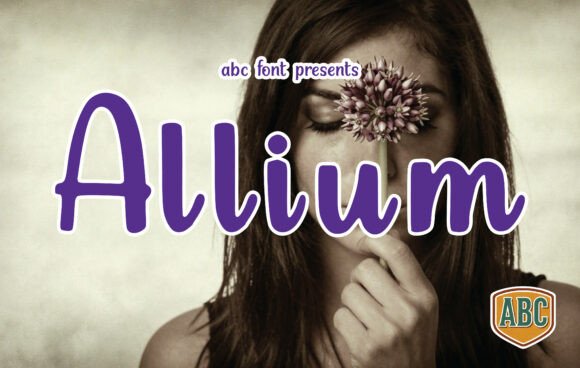
When evaluating a new script font for a project, I look for versatility and character. Allium delivers on both fronts with every letter possessing a unique and beautiful touch. This variation prevents the text from feeling mechanical, which is crucial when aiming for an authentic brand voice. In the realm of modern typography, a font like Allium bridges the gap between casual creativity and refined elegance. It sits comfortably within the Script Amp category, providing a fluidity that static fonts simply cannot replicate.
For web designers, the visual rhythm of a font determines how content flows across a screen. Allium’s natural strokes create a dynamic flow that guides the reader's eye without causing fatigue. Whether you are designing a boutique online store or a personal coaching website, the warmth of this handwritten style invites users to linger. It transforms standard headers into engaging invitations, turning a simple landing page into a curated experience. The font’s inherent charm makes it particularly effective for brands that want to communicate approachability, artistry, or a bespoke quality.
Strategic Placement: Where Allium Shines Online
While Allium is visually striking, its application requires strategic placement to maintain usability. This typeface excels as a display font for hero sections, section headings, and call-to-action areas where impact is paramount. Imagine a product landing page for a handmade skincare line; using Allium for the main headline immediately establishes a connection with the artisanal nature of the product. Similarly, on a creative portfolio site, a large Allium header can serve as a signature element, reinforcing the designer's personal identity.
However, readability remains the cornerstone of good UI design. Because Allium is a script font, it is best reserved for short phrases, titles, and decorative accents rather than long-form body copy. Using it for paragraphs would disrupt scanning behavior and reduce legibility, especially on mobile devices. Instead, pair it with a clean, neutral typeface for the bulk of your content. This contrast creates a clear visual hierarchy, allowing the user to quickly distinguish between navigational cues and detailed information.
Optimizing for Mobile and Responsive Environments
Responsive design presents unique challenges for script fonts. On smaller screens, intricate details can blur or become indistinguishable. When implementing Allium on mobile layouts, ensure that the font size is sufficiently large to preserve the integrity of the strokes. Avoid using it for small buttons or micro-copy unless you have tested the rendering at various pixel densities. For dark backgrounds or image overlays, adjust the opacity or add a subtle drop shadow to ensure the white or light-colored text pops against the background. This attention to detail ensures that the brand tone remains consistent across all devices, from desktop monitors to smartphones.
Enhancing Brand Identity and Conversion
A strong brand identity relies on consistency, and typography plays a pivotal role in achieving this. Allium offers a distinct voice that can elevate a generic website into a memorable brand experience. For SaaS founders or digital product creators, using a premium font like Allium can signal quality and attention to detail. It suggests that the brand cares about the aesthetics of its presentation, which in turn builds trust with potential customers.
In conversion-focused layouts, the emotional resonance of a font can influence user behavior. A handwritten style often feels more personal and trustworthy than a corporate sans serif. Consider a course sales page where the instructor wants to connect directly with students; using Allium for testimonials or key benefits can make the message feel like a direct recommendation rather than a marketing pitch. This psychological shift can subtly increase engagement and drive higher conversion rates.
Mastering Font Pairing for Web Experiences
To maximize the effectiveness of Allium, thoughtful font pairing is essential. Since Allium carries significant visual weight and personality, it pairs beautifully with simple, unobtrusive fonts. A classic combination involves pairing Allium with a modern sans serif font for body text. This creates a contemporary look where the script font acts as the star, while the sans serif provides clarity and structure. Alternatively, for a more editorial or sophisticated digital identity, consider pairing Allium with a traditional serif font. This juxtaposition evokes a sense of timelessness, perfect for luxury brands, wedding planning sites, or literary blogs.
When selecting a companion typeface, ensure there is enough contrast in weight and style. Avoid pairing Allium with another script font, as this can lead to visual clutter and confusion. The goal is to let Allium shine in headlines and logos while the secondary font handles the heavy lifting of information delivery. This balance ensures that the design remains clean, professional, and easy to navigate.
Technical Considerations and Licensing
From a technical standpoint, integrating Allium into your web projects is straightforward, provided you have access to the necessary file formats. Ensure that the font package includes webfont files (such as WOFF2) for optimal performance and cross-browser compatibility. Check if the font family includes alternates or multiple weights, as these features can add depth to your design system. While Allium is primarily a display font, having access to different styles allows for greater flexibility in creating cohesive brand assets.
Finally, always verify the commercial licensing terms before deploying Allium on client websites, online stores, or digital templates. As a premium font, it likely requires a specific license for web use, which covers the number of impressions or domains. Using a font without the proper license can lead to legal complications and damage your professional reputation. Investing in the correct license ensures that your designs are not only beautiful but also compliant and secure for long-term use.
In conclusion, Allium is more than just a decorative element; it is a powerful tool for shaping digital narratives. By understanding its strengths and limitations, web designers can leverage this timeless handwritten font to create stunning, user-friendly, and brand-aligned experiences. Whether for a logo, a hero banner, or a social media graphic, Allium adds a layer of sophistication and humanity that resonates with audiences in today's digital world.